


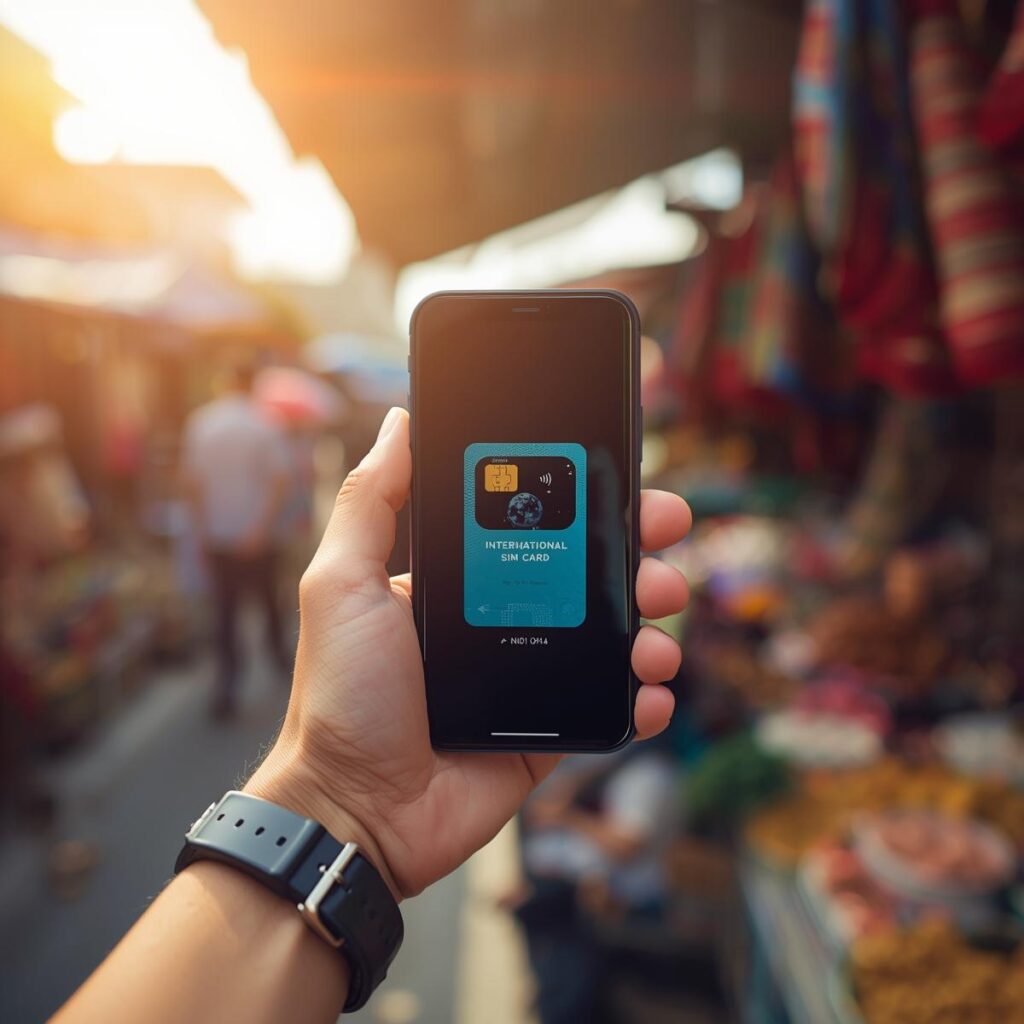
Many so-called international SIMs still behave like single-country products. Not long ago, buying an international SIM card was just part of travelling. You landed, queued at a kiosk, handed over your passport, swapped tiny bits of plastic and hoped it would work before you needed Google Maps.
In 2026, that routine already feels outdated.
Travellers aged 18 to 45 are ditching physical SIMs in favour of eSIMs. These are digital SIMs built directly into modern smartphones, no plastic, no swapping, no shops. You scan a QR code and you’re connected.
According to GSMA Intelligence, more than 6.7 billion eSIM-enabled devices are expected worldwide by 2030. For anyone hopping between countries, transiting through multiple airports, or taking short cross-border trips, the old international SIM card simply can’t keep up.
This is where regional and global eSIMs step in.
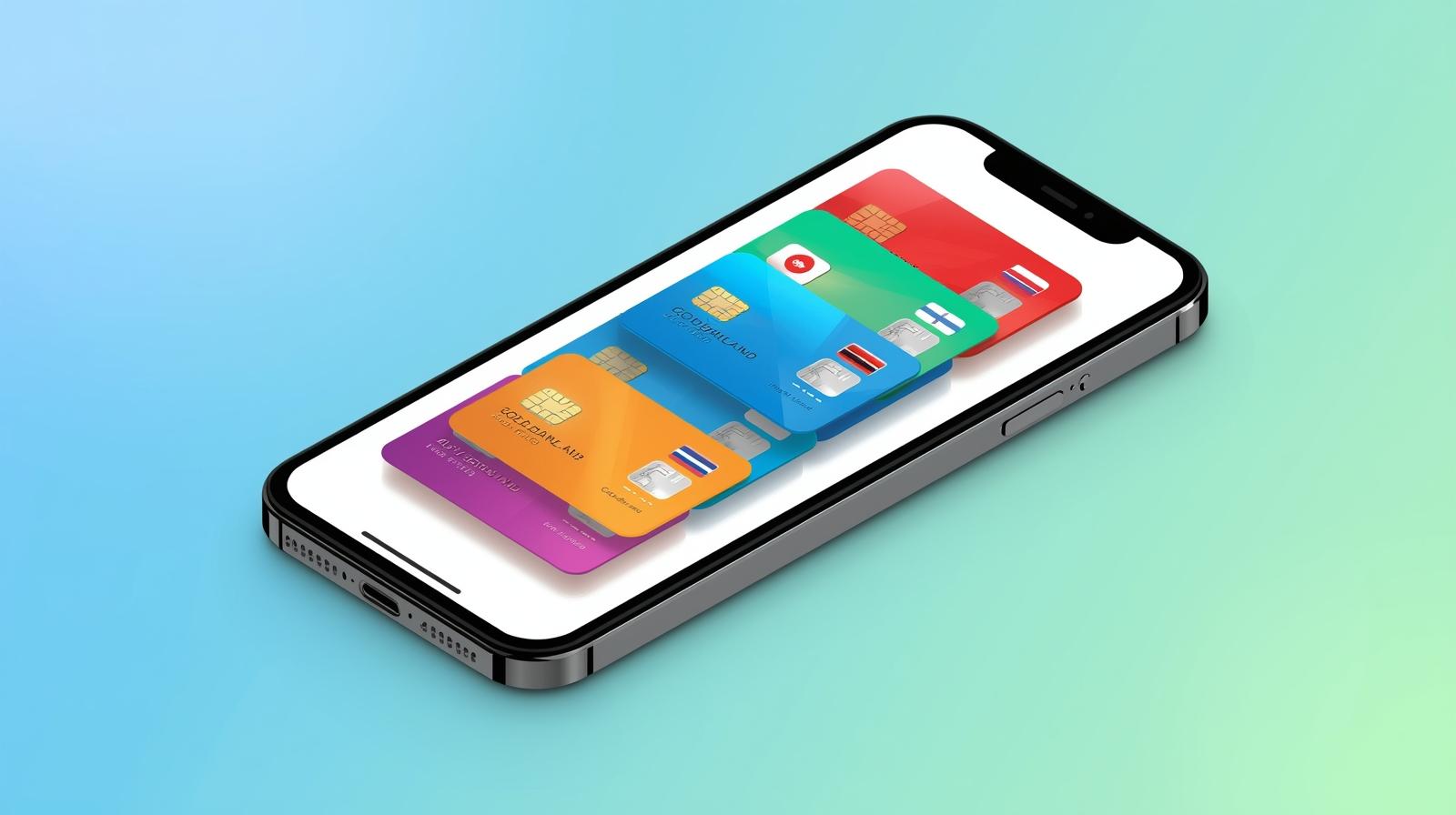
What is an eSIM and why is everyone switching?
An eSIM, short for embedded Subscriber Identity Module, replaces the physical SIM card entirely. It’s already inside your phone, waiting to be activated.
Instead of buying a SIM on arrival, you download a data plan digitally, often before you even leave home.
Why eSIMs beat international SIM cards
- No physical SIM swapping or ejector tools
- Activate before you travel or while you’re in the air
- Keep your main number for calls and WhatsApp
- One plan works across multiple countries
- Store multiple eSIM profiles on one device
For frequent travellers, it’s not just more convenient, it’s a complete shift in how connectivity works.
Why physical international SIM cards fall short in 2026
Airport delays and unnecessary hassle
After a long flight, the last thing most people want is another queue. Yet physical SIMs still rely on airport kiosks, limited opening hours, and manual activation.
Statista reports that 61 percent of international travellers have experienced delays or problems buying or activating a physical SIM at their destination.
For short layovers or late arrivals, that’s a real problem.
Patchy regional coverage
A SIM bought in Paris might stop working the moment you cross into Switzerland or the Netherlands. Many so-called international SIMs still behave like single-country products.
That leaves travellers juggling multiple SIMs or paying expensive roaming fees.
No flexibility for modern travel patterns
Day trips, spontaneous border crossings, multi-city itineraries. Travel today is fluid, but physical SIMs are not.
If your SIM is locked to one country, every change of plan becomes a connectivity headache.
The rise of eSIMs and how travellers actually use them
eSIM adoption grew by more than 260 percent between 2021 and 2025, with over 250 mobile operators now supporting the technology worldwide.
More importantly, people are using eSIMs in very practical ways.
- Transit travellers use one regional eSIM for a layover in Doha, a few hours in Istanbul, and onward travel to Europe.
- Backpackers move through Southeast Asia on a single plan instead of swapping SIMs in every country.
- Business travellers land already connected, ready for meetings, emails, and ride-hailing apps.
It’s not about novelty. It’s about removing friction.
Why regional eSIMs make more sense than single-country SIMs
Regional eSIMs cover multiple countries under one plan. Instead of buying separate SIMs for each destination, you stay connected as you move.
Key advantages
- One plan for multiple countries
- Ideal for Europe, Southeast Asia, the Gulf, and similar regions
- Better value than buying multiple local SIMs
- No roaming surprises
For anyone travelling beyond one border, regional eSIMs are the sweet spot.
What sets Travanzi’s regional and global eSIMs apart
Travanzi focuses on one thing: reliable, fast connectivity without complexity.
Premium 5G speeds in over 200 countries
Travanzi partners with top-tier local carriers, prioritising speed and stability over bargain-basement networks.
Clear, honest pricing
What you see is what you get. No hidden fees, no confusing fair-use policies, and no country-by-country surprises.
Instant setup
Your QR code arrives immediately. Most users are connected in under a minute.
Local, regional and global plans
Only travelling in Europe? Choose a regional plan. Moving across continents? A global eSIM keeps everything simple.
eSIM Price Comparison: Travanzi vs Major Competitors (2026)
Europe & Global Plans Compared
Europe eSIM Plans (5GB where comparable)
| Provider | Coverage | Data | Price | Validity | 5G Support | Network Quality | Fair Use / Throttling | Instant Activation |
|---|---|---|---|---|---|---|---|---|
| Travanzi | 35 European countries | 5GB | $8.99 | 30 days | ✅ Full | ⭐⭐⭐⭐⭐ | ❌ No | ✅ Yes |
| Airalo | Europe | 5GB | ~$14–$20 | 30 days | ⚠️ Limited | ⭐⭐⭐ | ❌ No | ✅ Yes |
| Holafly | Europe | Unlimited* | ~$28–$35+ | 15 days | ✅ Yes | ⭐⭐⭐⭐ | ⚠️ Yes | ✅ Yes |
| Nomad | Europe | 5GB | $15.00 | 30 days | ⚠️ Partial | ⭐⭐⭐⭐ | ❌ No | ✅ Yes |
| aloEsim | Europe | 5GB | $19.00 | 30 days | ⚠️ Partial | ⭐⭐⭐ | ❌ No | ✅ Yes |
| Ubigi | Europe | 5GB | ~$13+ | 30 days | ⚠️ Partial | ⭐⭐⭐⭐ | ❌ No | ✅ Yes |
| Orange Holiday | Europe (limited countries) | 5GB | $39.99 | 30 days | ✅ Yes | ⭐⭐⭐⭐ | ❌ No | ❌ No (manual setup) |
*Unlimited plans are subject to fair usage policies and speed throttling.
Global eSIM Plans (5GB)
| Provider | Coverage | Data | Price | Validity | 5G Support | Network Quality | Multi-Country Stability | Instant Activation |
|---|---|---|---|---|---|---|---|---|
| Travanzi | Global | 5GB | $19.00 | 30 days | ✅ Full | ⭐⭐⭐⭐⭐ | ⭐⭐⭐⭐⭐ | ✅ Yes |
| Airalo | Global | 5GB | $60.00 | 30 days | ⚠️ Limited | ⭐⭐⭐ | ⭐⭐⭐ | ✅ Yes |
| Nomad | Global | 5GB | $30.00 | 30 days | ⚠️ Partial | ⭐⭐⭐⭐ | ⭐⭐⭐⭐ | ✅ Yes |
| Ubigi | Global | 5GB | $59.00 | 30 days | ⚠️ Partial | ⭐⭐⭐⭐ | ⭐⭐⭐ | ✅ Yes |
| Flexiroam | Global | 5GB | $65.00 | 30 days | ⚠️ Limited | ⭐⭐⭐ | ⭐⭐⭐ | ❌ App-dependent |
| KnowRoaming | Global | 5GB | $69.00 | 30 days | ❌ Mostly 4G | ⭐⭐⭐ | ⭐⭐ | ❌ Physical SIM focus |
When to choose a regional or global eSIM
Travanzi regional eSIM
Best for:
- Multi-country trips within one continent
- Backpacking across Europe or Asia
- Short stopovers and cross-border travel
Travanzi global eSIM
Best for:
- Intercontinental travel
- Digital nomads and remote workers
- Reliable high-speed data in over 200 countries
Common questions travellers ask
Is an eSIM better than an international SIM card?
For most travellers, yes. eSIMs are easier to set up, more flexible, and work across regions without physical SIM swapping.
Can one eSIM work in multiple countries?
Yes. Regional and global eSIMs are designed to work seamlessly across many countries under one plan.
Are eSIMs safe and reliable?
They are. eSIMs use encrypted profiles and are supported by major mobile networks worldwide.
The bottom line: international SIM cards are fading out
Travel has changed, and connectivity has had to follow.
Physical international SIM cards are slow, restrictive, and increasingly unnecessary. Regional and global eSIMs offer instant setup, better coverage, and pricing that actually makes sense.
With Travanzi, you connect faster, travel lighter, and stop worrying about SIM cards altogether.
Next time you travel, skip the queue, skip the plastic, and go digital.
Here are the Most popular and affordable eSim Packages with High speed 5g Data: All Destinations, Regional eSIM, Global eSIM